Defense Advanced Research Projects Agency (DARPA)
Disaster triage finds victims in simulated smoke

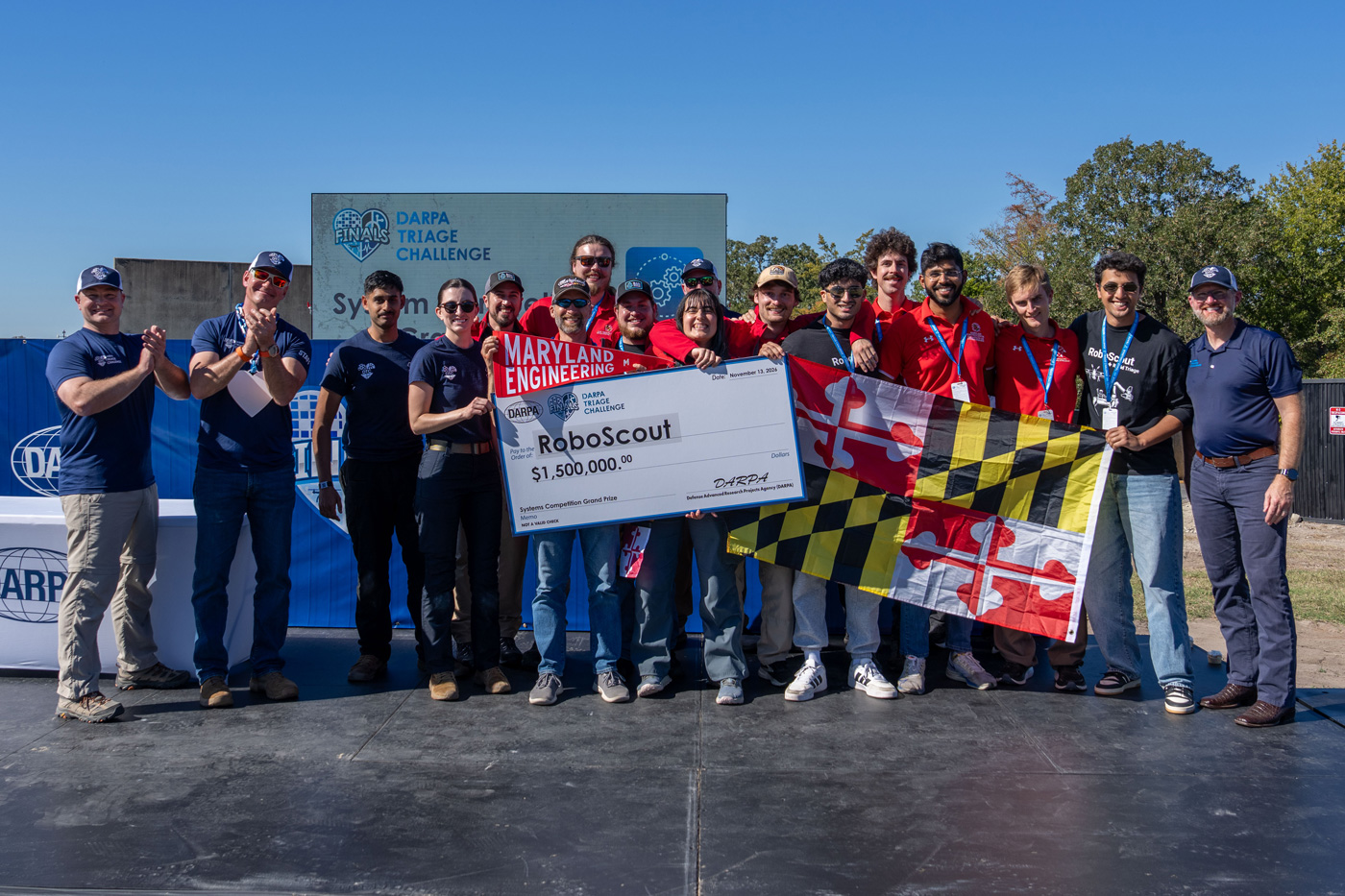
Machines can make disaster triage safer by finding victims and judging their condition before medics can reach every dangerous area, but the real test is connecting those tasks to trustworthy treatment decisions. DARPA’s RoboScout won the Systems competition and a $1.5 million grand prize after saving the most lives on a human-machine course. In a smoke-filled rail station, this could give dispatchers a live map of victims and their needs before crews enter each blocked corridor.
After a disaster with many injured people, the first problem is not treatment. It is finding everyone. Smoke, darkness, rubble, and dangerous ground can hide victims while medics spend precious time reaching places that may not be safe. Someone may be waiting for help in a corridor or behind debris, unseen because rescuers have not yet been able to enter.
What disaster triage means
Triage is the urgent sorting of patients when there are not enough people, ambulances, or supplies for everyone at once. Responders must decide who needs treatment or evacuation first, and who can be watched for a while.
That decision depends on several linked jobs. Teams must find casualties, measure vital signs such as a person’s condition, judge injuries, and decide where limited resources should go. A machine that succeeds at only one of these jobs has not yet created a complete medical service. In a disaster, it must also cope with poor visibility, broken communications, uneven ground, and the harm that could follow a wrong recommendation.
A machine gets there first
DARPA’s Triage Challenge Finals put autonomous systems through simulated catastrophes, including an open-air market hit by a tornado, smoke and darkness, and lanes filled with obstacles. The challenge tested both machines working with people and software making decisions from emergency data.
RoboScout won the Systems competition. DARPA says it was the autonomous platform that saved the most lives on the human-machine teaming lane, where machines and people worked together. DART, the runner-up, won gates for finding and locating victims, rapid triage, and trauma assessment. RoboScout won the gate for measuring vital signs accurately.
The Data competition tested a different part of the same problem. Disruptors won by predicting life-saving interventions and allocating resources across the first look at a disaster, continuing triage, and the assignment of resources. In other words, the useful machine is not only one that can drive or move through wreckage. It must help turn scattered observations into a decision about what should happen next.
That is the central change: a dangerous search can begin with an autonomous scout, while data systems can keep updating the picture as conditions and patients change. The person who physically reaches a victim first may no longer have the only early information about that victim.
From a course to an emergency scene
If these results transfer from staged disasters to real incidents, emergency teams could send autonomous systems into a smoke-filled rail station before sending people through every closed-off corridor. A dispatcher could see a live map showing who has been found, their measured vital signs, and which people need an antidote or a medic first.
That would not remove the need for medics. It would give them a safer and more current way to decide where to go. Manual searching would become less central in places where autonomous scouting is dependable, and incident commanders could assign teams, evacuation vehicles, and supplies using information that keeps changing instead of a single first report.
The next step is already aimed at a harder kind of emergency. DARPA’s open TRIAGE-X topic seeks autonomous systems that can recognize chemical toxidromes—patterns of signs and symptoms caused by types of toxic exposure—and physically deliver the matching antidote or other life-saving intervention.
For this future to work, the machines must operate reliably in real hazards, make clinically sound triage decisions, and fit safely into the authority and communications systems of local emergency services. Winning a simulated course is a beginning, not proof that the whole chain from victim to treatment can be trusted.